


New research: Do marine mammals compete with fisheries?
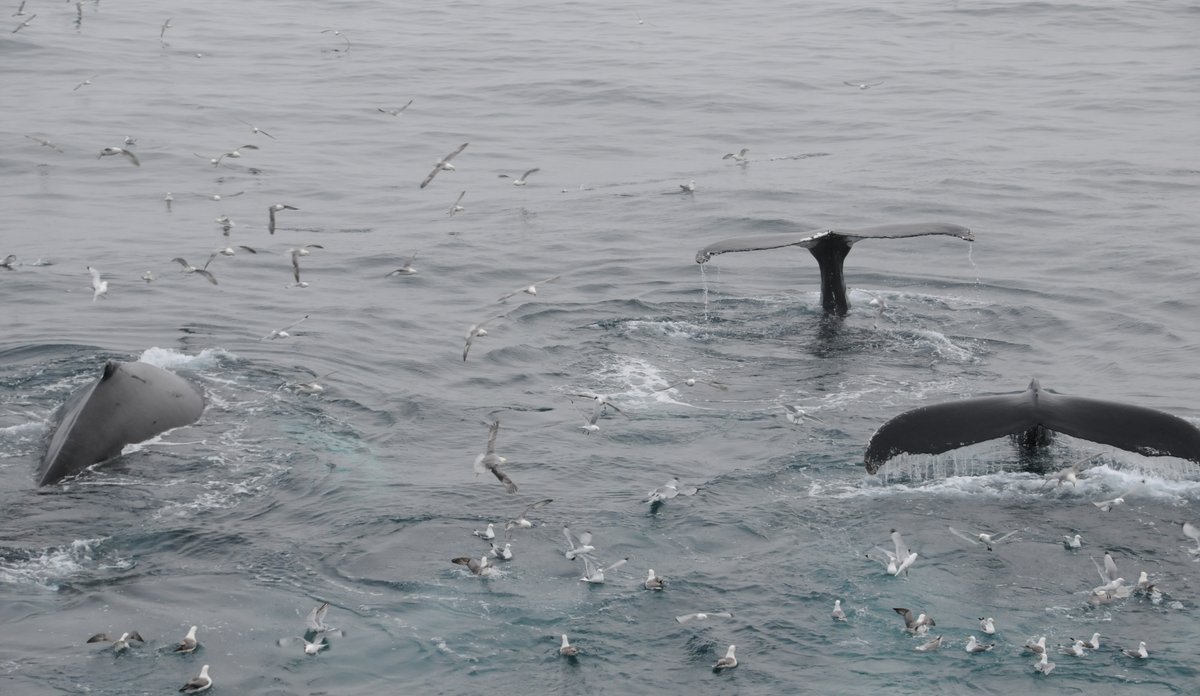
This humpback whale was chasing capelin, east of Jan Mayen in 2018.
Photo: Leif Nøttestad / HavforskningsinstituttetPublished: 09.02.2026
Minke whales gulp down herring, harbour porpoises devour capelin, and grey seals hunt cod along the seabed.
Every year, marine mammals consume 11 million tonnes of fish in the North Atlantic.
Do they eat fish that fishermen could have caught?
The debate has raged for many years, in many countries.
New research findings show how the abundance of marine mammals and fish influence one another.
“The findings were unexpected,” says marine scientist Benjamin Planque.
“The relationship is highly asymmetric. We see that variations in abundance of marine mammals can have major consequences for fish stocks, but not necessarily the other way around. Changes in fish abundance does not significantly affect marine mammals.”
Who eats how much of whom
The researchers have examined the causal relationships between marine mammals such as whales, porpoises and seals, and the most commercially important fish stocks in the Barents Sea and the Norwegian Sea.
Using data from research cruises, fisheries, and diet studies, marine scientists reconstructed the feeding habits of predators over a period of more than 30 years, from 1988 to 2021.
By modelling the food web, the researchers were able to calculate how much of each prey species could be consumed by each predator.
Combined with causal analyses, this allows marine scientists to examine concrete relationships: if one variable changes by x, what are the effects on y?
Or, if the biomass of marine mammals increases by 1,000 tonnes, what would be the consequence for fish stocks – and vice versa?
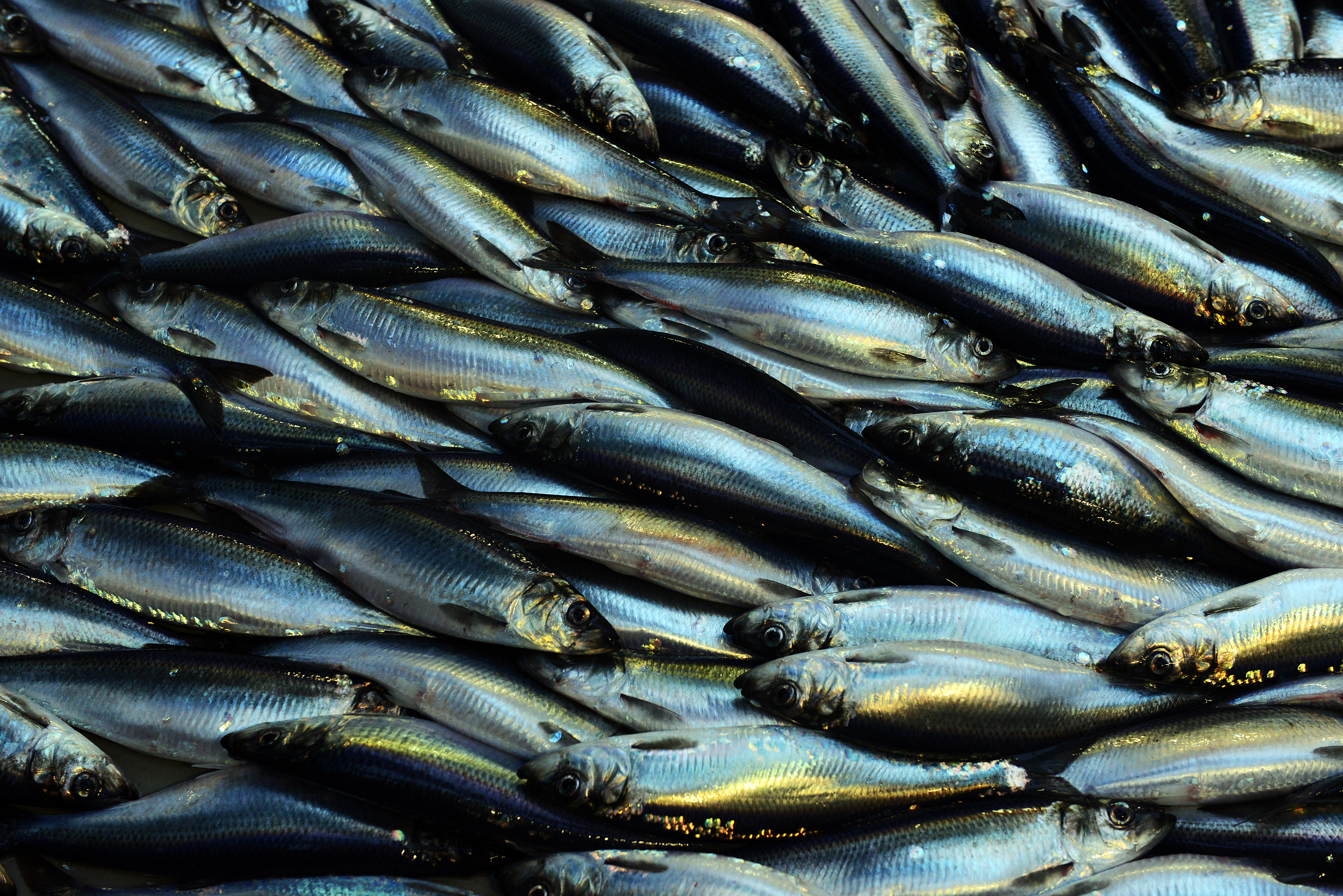
Archival photo: Kjartan Mæstad / Havforskningsinstituttet
One more tonne of whales means one less tonne of fish
The answer: fish stocks decline – potentially by a large amount.
The researchers examined more than 1,000 possible configurations of the food web. On average, the effect was negative – approximately one to one.
“This means that if there are 1,000 tonnes more marine mammals in one year, we can expect about 1,000 tonnes less fish the next year,” says Planque.
More fish in the sea, on the other hand, can have a positive but modest effect on marine mammals. If there are 1,000 tonnes more fish one year, then we can expect 13 tonnes more marine mammals the next.
“This is probably because marine mammals are dietary generalists. If fish availability is poor, they’ll eat something else – like krill or squid,” says Planque.
Removing marine mammals does not lead to more fish
The results further indicate that if marine mammal populations increase substantially, they could potentially pose challenges for fisheries:
“With increasing marine mammal poplations, fish stocks may decline, especially if those stocks are already under pressure from other factors such as overfishing or climate change,” says Planque.
At the same time, the study shows that the right remedy for strengthening fish stocks is not to reduce marine mammal numbers, for example through increased hunting.
“To have a positive effect – meaning more fish available for fisheries – one would have to hunt enormous numbers of marine mammals. Far more than what is current practice today,” says Planque.
Over a long-term perspective of 30 years, the impacts are smaller – the effects are dampened.
“There are various compensatory mechanisms in ecosystems, such as a population changing its diet when access to its preferred prey declines, or improved growth conditions and reduced competition among the remaining prey,” the marine scientist explains.
Need for better monitoring
At the same time, the researcher points out that there are large uncertainties in the estimates.
While the negative effects of marine mammals on fish could potentially be large, they are also uncertain. The effect could be less, but they could also be three times higher. The effects of fish on marine mammals, are less but they are more robust.
“These uncertainties stem both from data limitations and from the fact that interactions within a food web are highly complex and only partially understood,” the researcher explains.
To reduce uncertainty, one of the key measures is improved monitoring and more precise long-term estimates of both how many marine mammals live in the North Atlantic and what they eat.