



Researchers have screened squid for worms
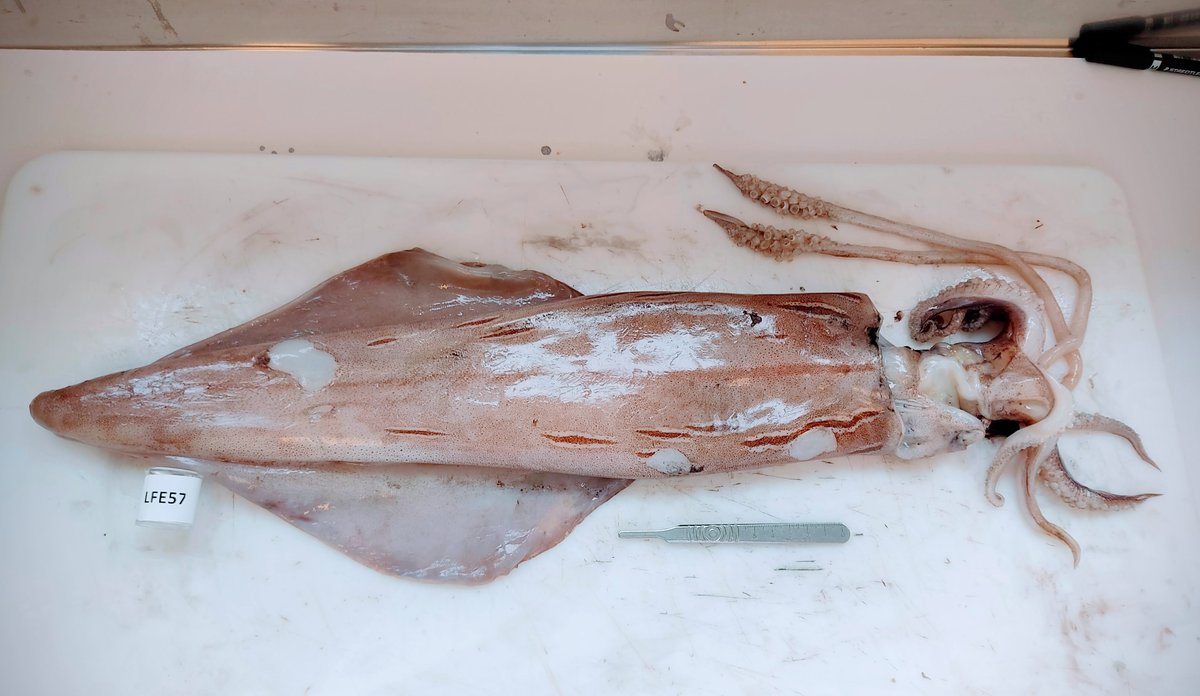
Stripekalmar er en vanlig tiarmet blekksprut (men ikke en akkar).
Photo: Miguel Bao-Dominguez / Institute of Marine Research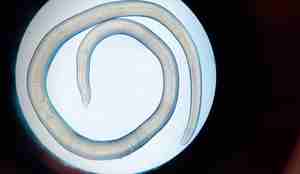
DNA-prøver viste at det var snakk om en gammel kjenning: Kveis-arten Anisakis simplex, her under mikroskop.
Photo: Miguel Bao-Dominguez / Institute of Marine Research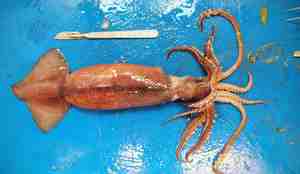
Småakkar (Todaropsis eblanae) blir undersøkt.
Photo: Miguel Bao-Dominguez / Institute of Marine Research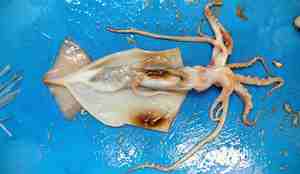
Forskerne undersøkte innvollene, kappen og fangarmene.
Photo: Miguel Bao-Dominguez / Institute of Marine Research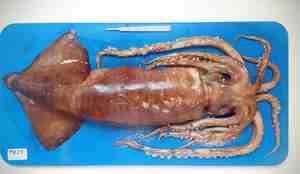
Storakkar (Todaropsis sagitattus) blir undersøkt.
Photo: Miguel Bao-Dominguez / Institute of Marine Research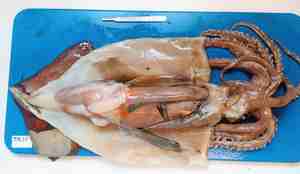
Forskerne undersøkte innvollene, kappen og fangarmene.
Photo: Miguel Bao-Dominguez / Institute of Marine Research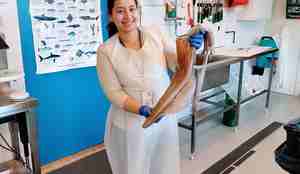
Forskningstekniker Rebeca Garcia Perez med stripekalmar.
Photo: Miguel Bao-Dominguez / Institute of Marine Research
Totalt 425 blekkspruter ble undersøkt. Her stripekalmar.
Photo: Miguel Bao-Dominguez / Institute of Marine ResearchPublished: 14.01.2026 Updated: 23.01.2026
Norwegian and Spanish researchers have recently studied the number of roundworm larvae in squid in Norwegian waters.
Seek and you will find.
"We examined 425 squids in total. Roundworm larvae were found in individuals of all four different species. It is clear that squid act as hosts for roundworm larvae in the North Atlantic, in the same way as fish" says parasitologist Miguel Bao.
The results have been published in a scientific paper.
Like Christmas tree lights
The researchers studied the squid intestines and used a UV-press to analyse the meat. When exposed to UV, the roundworm larvae shine like Christmas tree lights.
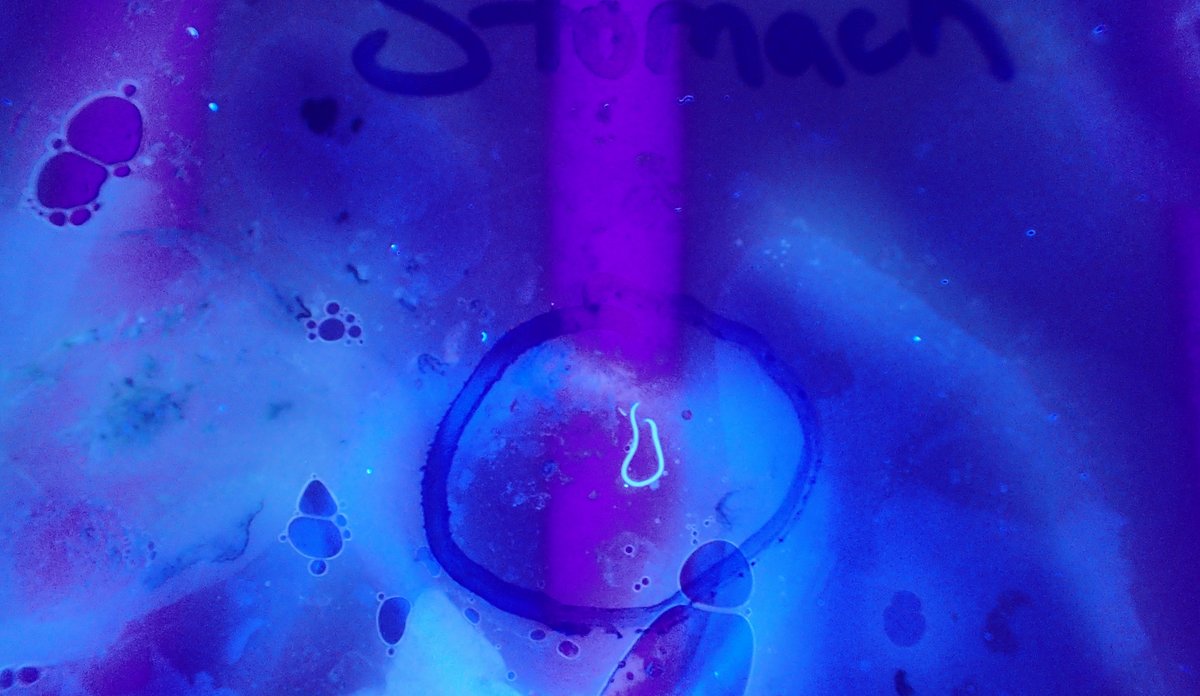
"Not unexpectedly, most roundworm larvae were present in the intestines, but we also found them in the mantle itself", says Miguel Bao.
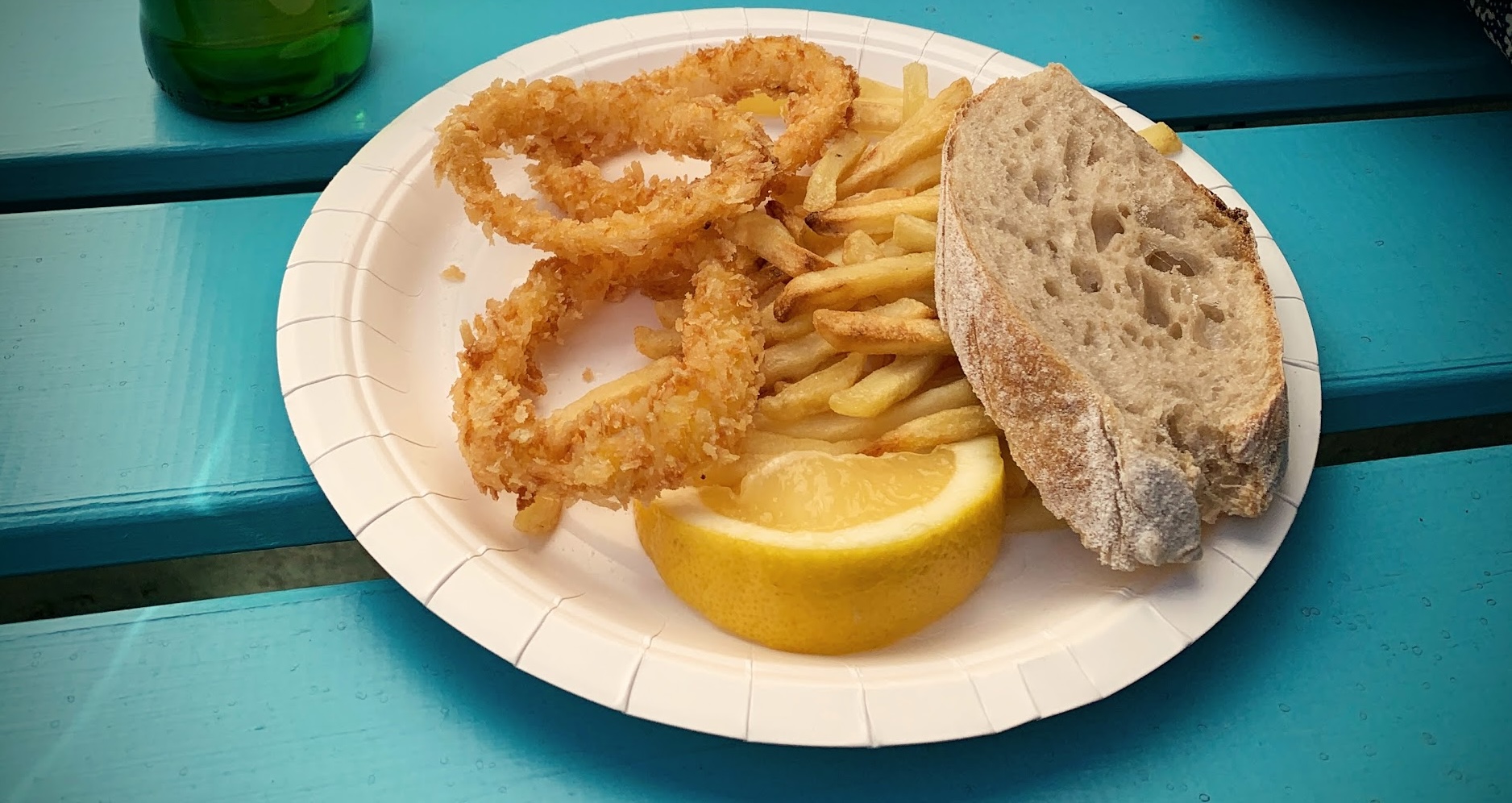
In Mediterranean countries, you will have seen the mantle served as deep-fried rings. Fried or grilled squid is a very popular in southern Europe. It is perfectly safe to eat; both cooking and freezing kill the roundworm larvae.
Arms were roundworm-free
But in Japan and other parts of Asia, squid is often eaten lightly treated or untreated, for example as sashimi.
Raw seafood is increasingly popular around the world. This is what has motivated the parasitologists to study more and more species for potentially harmful contents.
"Interestingly, the arms were completely free of roundworms in all of the 425 squids. Of course, this does not mean that squid arms never contain roundworm larvae", says Bao.
"But it is an interesting finding that we would like to investigate further."
Also see: Jigging for veined squid
Freezing is a win-win
He recommends freezing all squid that you intend to eat untreated. Freezing is also a requirement for sushi served at restaurants in Norway. (Learn more from the Norwegian Food Safety Authority)
"In addition to killing the roundworm larvae, freezing helps to make the squid more tender, so it is a win-win", says Bao.
Roundworm larvae numbers varied by species and size
On average, there were 0-5 roundworm larvae in the squids. The number was proportionate to their size. Which is logical.
"The more the squid eats, the more likely it is to be infected. Roundworm larvae enter their hosts through their food. In the case of squid, that means crustaceans and small fish", the scientist explains.
The level of infestation also varies between species, with the European flying squid (Todarodes sagittatus), lesser flying squid (Todaropsis eblanae) and southern shortfin squid (Illex coindetii) having higher levels than veined squid (Loligo forbesii), which live in shallower waters where there is access to other kinds of prey.
Few larvae compared with many fish
The number of roundworm larvae was small compared with certain fish species. The record-holder is the European hake, which was found to contain 840 larvae on average by another study. (Also read: Hake sets parasite record)
"Hake live much longer than squid. They are major predators that eat almost anything they come across. So, this is probably also a function of diet and age", says Bao.
The scientist stresses that roundworm larvae are a natural part of the ecosystem.
"Still, it is important to assess how widespread the parasite is in different species used for human consumption. That informs us of the risk and allows us to take the necessary precautions", he says.