



Benthic resources and processes
Main areas of work
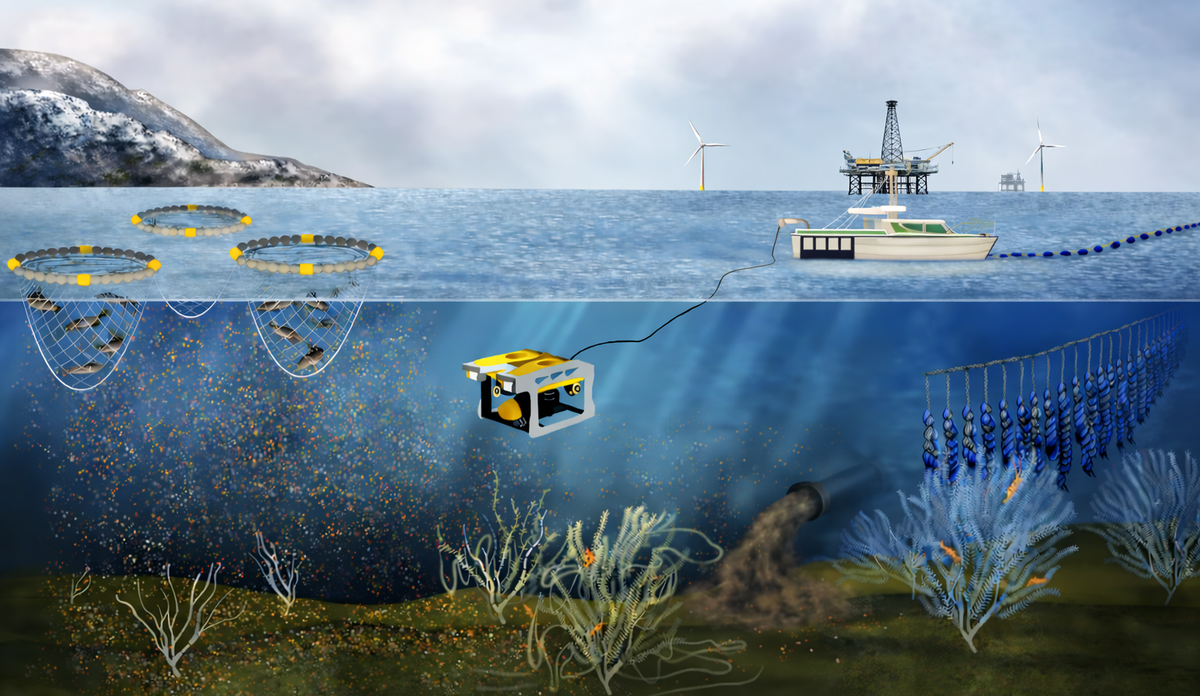
- Effects and risk assessment of discharges from aquaculture, oil extraction, and mining activities on marine ecosystems
- Ecosystem structure and function—spatial and temporal variation
- Physiological and biological indicators, and scaling from individual responses to ecological consequences
- Low-trophic species as future food sources and new feed resources
- Method development and knowledge dissemination in emerging fields
- Mapping of vulnerable habitats, marine conservation, and spatial planning at sea
- Climate change, ocean acidification, and carbon processes
- Ecological effects of the establishment and spread of non-native species
Resources
The research group’s staff (researchers, technicians, PhD candidates, and students) are distributed across the institute’s locations in Tromsø, Bergen, and Austevoll. The group has a broad network connecting it with university- and research environments both nationally and internationally.
Keywords
aquaculture impacts, effects of mining and petroleum activities, non-native species, effects of pharmaceuticals, climate impacts, blue mussels, scallops, queen scallops, tunicates, cold-water corals, sponges, risk assessment, stress indicators, macroalgal communities
Published: 28.06.2019 Updated: 28.04.2026
Sidebar
Group members